Reports and studies consistently highlight the severe vulnerability of individuals experiencing homelessness to exploitation, including human trafficking. This critical issue gained renewed attention following a recent social media post by Kevin Dahlgren, who stated, > "A homeless man pimping out his girlfriend. This is tragically very common on the streets." The tweet underscores a grim reality faced by many without stable housing, where desperation can lead to coercive control and exploitation.
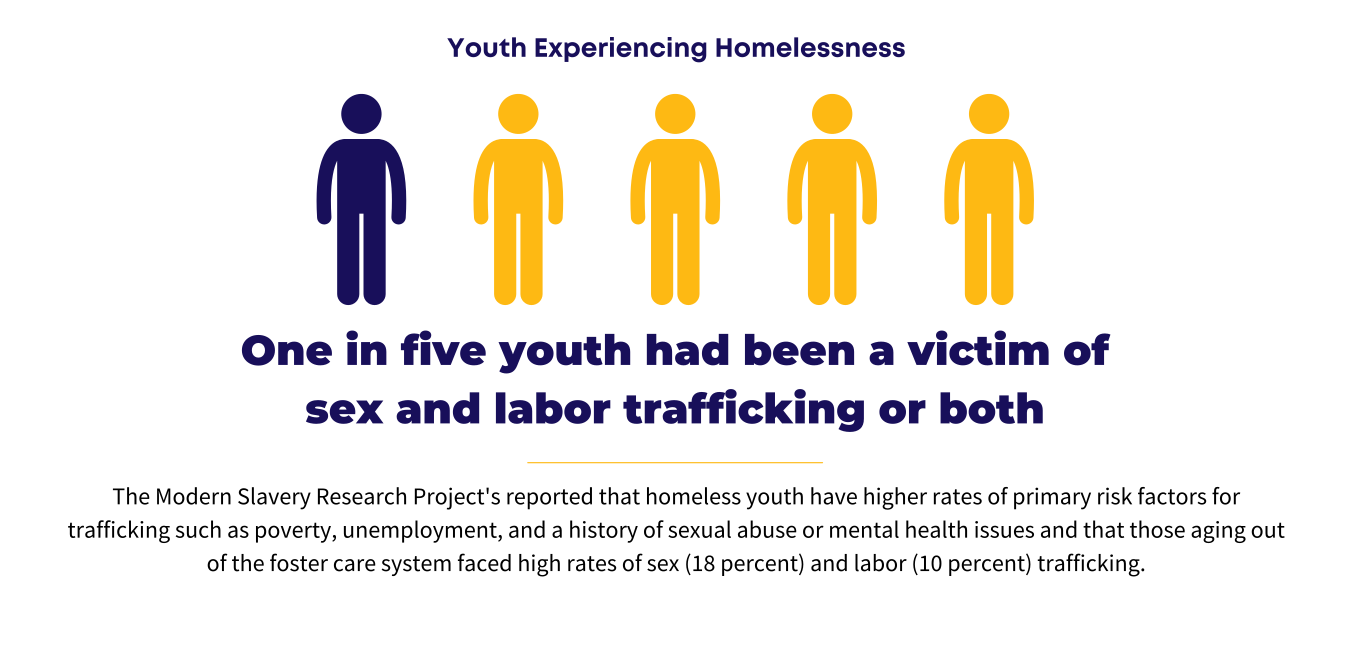
Research indicates a significant overlap between homelessness and human trafficking. A 2020 study by Covenant House revealed that one in five youth experiencing homelessness had been a victim of human trafficking. Furthermore, a University of Pennsylvania study found that nearly 70% of homeless youth surveyed reported experiencing some form of exploitation, often involving multiple forms including sex trafficking and forced labor. These figures provide a stark confirmation of the widespread nature of such abuses.
Adults experiencing homelessness are similarly at high risk due to a lack of stable housing, income, and social support networks. Traffickers often target these vulnerable individuals by offering basic necessities such as food, shelter, or false promises of employment and companionship. These initial overtures quickly devolve into coercive control, leveraging existing vulnerabilities like poverty, substance abuse, mental health issues, and past trauma.
The National Human Trafficking Hotline consistently reports a strong connection between homelessness and trafficking, with many survivors having experienced homelessness before, during, or after their exploitation. Traffickers frequently recruit from shelters, encampments, and street corners, preying on the immediate need for survival. The absence of identification documents, social isolation, and prior experiences of abuse further intensify their susceptibility to exploitation.
Organizations dedicated to combating human trafficking and homelessness emphasize the urgent need for comprehensive support systems, including safe housing, mental health services, and economic opportunities, to protect vulnerable populations. Addressing the root causes of homelessness and providing accessible resources are crucial steps in disrupting these cycles of exploitation and offering pathways to safety and recovery for survivors.
